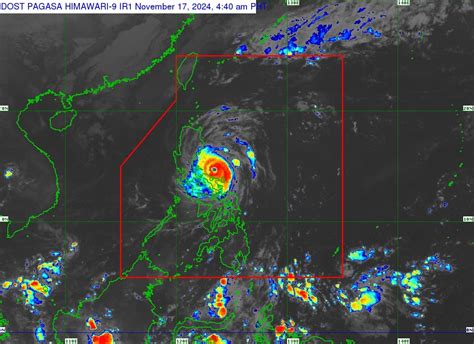
Tropical Cyclones: Pepito & Man-yi Emergency Resources Guys, let’s get real for a minute. When we talk about
tropical cyclones
, we’re not just talking about a bit of rain and wind. We’re talking about massive, powerful weather systems that can turn our world upside down in a blink. Events like the hypothetical impacts of
Typhoons Pepito and Man-yi
serve as stark reminders of just how vulnerable we can be if we’re not prepared. That’s why understanding these beasts and, more importantly, knowing about essential
emergency resources
and robust disaster preparedness strategies isn’t just a good idea—it’s absolutely vital for our safety and the well-being of our loved ones. We’ve seen firsthand, time and again, the devastating consequences when communities are caught off guard, from widespread flooding that submerges homes to powerful winds that flatten structures, and the heartbreaking loss of essential services like power and communication. It’s a scary thought, for sure, but fear isn’t our only option here. Being informed and proactive transforms that fear into
empowerment
. This comprehensive guide aims to arm you, my friends, with the knowledge and actionable steps you need to face down the threat of tropical cyclones, ensuring you have the right
emergency resources
at your fingertips and a solid plan in place. We’ll dive deep into what makes these storms tick, what specific dangers they pose, and how we can learn from examples like
Typhoon Pepito
to better prepare for future events such as
Typhoon Man-yi
. From assembling your ultimate survival kit to understanding evacuation protocols and fostering community resilience, we’re covering it all. So, buckle up, pay attention, and let’s get you ready to weather any storm, literally and figuratively. Your safety and peace of mind are absolutely worth this investment of time. The goal is simple: to make sure you’re not just surviving, but
thriving
even in the face of nature’s most formidable challenges. Remember, preparedness isn’t about being paranoid; it’s about being profoundly sensible. Let’s make sure we’re all on the same page when it comes to safeguarding ourselves and our communities against these powerful weather phenomena. The time to prepare for the unexpected is always
now
, before the storm clouds even begin to gather on the horizon, because once a
tropical cyclone
is bearing down, every second counts. Don’t wait until it’s too late; let’s get equipped with all the necessary
emergency resources
and knowledge to protect what matters most. # Understanding Tropical Cyclones: What You Need to Know ### The Anatomy of a Tropical Cyclone: Definition and Dangers Okay, guys, let’s break down what a
tropical cyclone
actually is, because knowing your enemy is half the battle when it comes to
disaster preparedness
. At its core, a tropical cyclone is a rapidly rotating storm system characterized by a low-pressure center, a closed low-level atmospheric circulation, strong winds, and a spiral arrangement of thunderstorms that produce heavy rain. These formidable weather systems form over warm ocean waters, typically between 5 and 30 degrees latitude north or south of the equator, where sea surface temperatures are at least 26.5°C (80°F) down to a depth of about 50 meters (160 ft). This warm, moist air rises, condenses into clouds and rain, and releases latent heat, which further fuels the storm’s intensity. As the air rises, it creates a low-pressure area at the surface, drawing in more air and perpetuating the cycle. The Earth’s rotation, known as the
Coriolis effect
, then causes this incoming air to spin, creating the characteristic swirling motion we associate with these storms. Depending on where they form and their intensity, these
tropical cyclones
go by different names around the world. In the Atlantic and Northeast Pacific, we call them
hurricanes
. Over in the Northwest Pacific, they’re known as
typhoons
—which is precisely why we’re talking about
Typhoon Pepito
and
Typhoon Man-yi
in our context. In the South Pacific and Indian Ocean, they’re simply called
cyclones
. No matter the name, the threat they pose is universally serious. The dangers are multifaceted: we’re talking about incredibly
strong winds
that can rip roofs off homes and topple trees,
torrential rainfall
that leads to devastating floods and landslides, and most critically,
storm surges
. A storm surge is an abnormal rise of water generated by the storm, over and above the predicted astronomical tides, that can inundate coastal areas with shocking speed and force. This combination of factors makes
tropical cyclones
one of the most destructive natural phenomena on Earth. Understanding this fundamental science behind their formation and the range of dangers they present is the absolute first step in building effective
emergency resources
and ensuring robust
storm safety
for ourselves and our communities. Without this basic knowledge, it’s impossible to truly appreciate the urgency of
disaster preparedness
and the vital role that
weather warnings
and
evacuation plans
play in saving lives. Always keep an eye on official weather advisories and never underestimate the power of these atmospheric giants. ### The Real Impact: Why These Storms Threaten Lives and Property Guys, let’s dive deeper into the
real impact
of
tropical cyclones
, because it’s more than just a blustery day. These storms are not just about a bit of wind and rain; they are massive forces that can fundamentally alter landscapes and lives, which is why having well-stocked
emergency resources
is non-negotiable. The primary threats stem from several interconnected dangers, each with the potential for catastrophic consequences. First up, we have the
strong winds
. We’re not talking about a breezy day; we’re talking about sustained winds that can reach speeds of well over 150 miles per hour in major typhoons like what
Typhoon Pepito
or
Typhoon Man-yi
could bring. These winds can tear apart poorly constructed buildings, rip down power lines, turn loose objects into dangerous projectiles, and completely defoliate vast areas of vegetation. The sheer force is enough to cause widespread structural damage, making homes uninhabitable and infrastructure unusable, which directly impacts our ability to access crucial
emergency resources
or for first responders to reach those in need. Next, and often the deadliest component, is
heavy rainfall
. A tropical cyclone can dump an astonishing amount of rain over a short period—sometimes hundreds of millimeters in a single day. This extreme precipitation quickly overwhelms drainage systems, rivers, and low-lying areas, leading to widespread and often sudden
flooding
. Flash floods can sweep away vehicles and even entire homes, while prolonged inundation can destroy crops, contaminate water supplies, and create breeding grounds for waterborne diseases. The secondary effects, like
landslides
and
mudslides
, are also incredibly dangerous, especially in hilly or mountainous regions already saturated by previous rains. These earth movements can bury communities, block critical roads, and sever lifelines, isolating populations from aid and
emergency resources
. But perhaps the most insidious threat, especially for coastal communities, is the
storm surge
. This is a terrifying wall of water pushed ashore by the storm’s powerful winds and low atmospheric pressure. Unlike a regular tide, a storm surge can elevate sea levels by several meters above normal, inundating vast coastal areas within minutes. Imagine your entire neighborhood submerged by a sudden, powerful influx of seawater—this is the reality of a storm surge. It can devastate coastal towns, destroy infrastructure, and cause immense loss of life. These combined threats highlight precisely why
disaster preparedness
is so critical. It’s about mitigating these risks through robust
safety tips
, early
weather warnings
, meticulously planned
evacuation plans
, and ensuring every household has its essential
survival kits
ready. Ignoring these dangers isn’t an option; understanding them and preparing for them is our best defense against the raw power of nature. # Navigating Typhoons Pepito and Man-yi: Real-World Preparedness ### Learning from
Typhoon Pepito
: Essential Lessons in Preparedness Alright, team, let’s learn from hypothetical but all-too-real scenarios, like the impact of a storm similar to
Typhoon Pepito
. Even if we’re discussing a past or simulated event, the lessons it offers for
disaster preparedness
are absolutely priceless and should guide our actions for future
tropical cyclones
. The key takeaway from any such event is that
proactive measures save lives and minimize damage
. For instance, with
Typhoon Pepito
, imagine a scenario where it brought extensive rainfall, leading to localized flooding and power outages across several provinces. What would we learn? First, the critical importance of having a
well-stocked emergency kit
that goes beyond just the basics. People might have realized too late they needed more than a few cans of food; things like portable chargers for phones, a battery-powered radio for crucial
weather warnings
, and a supply of potable water suddenly become non-negotiable
emergency resources
. Second, the event would undoubtedly highlight the necessity of clear, well-rehearsed
evacuation plans
. Perhaps some areas experienced delayed evacuations due to confusion or a lack of understanding regarding designated safe zones and routes. This tells us we need to continuously review and update our family and community evacuation plans, ensuring everyone knows where to go, how to get there, and what to bring. Communication, guys, is another massive lesson. During
Typhoon Pepito’s
hypothetical impact, imagine phone lines were down, and internet access was spotty. This underscores the need for multiple communication strategies – from having a designated out-of-state contact person for family check-ins to utilizing social media
before
the storm for community updates, and even having physical meeting points established. Furthermore, the experience would likely reveal vulnerabilities in infrastructure. Roads might have become impassable, bridges damaged, and relief efforts hampered by debris. This informs the need for local governments to prioritize infrastructure resilience and for individuals to know alternative routes and understand the limitations of emergency services during peak disaster times. Finally, a storm like
Typhoon Pepito
teaches us about the profound value of
community resilience
and neighborly support. Those who checked on elderly neighbors, shared resources, or volunteered after the storm’s passage exemplified the best of human spirit. These lessons, gleaned from studying the potential or actual impacts of
tropical cyclones
like
Typhoon Pepito
, are not just theoretical; they are practical guides to enhancing our collective
storm safety
and ensuring that our
emergency resources
are not only present but also effectively utilized when the next big storm, like
Typhoon Man-yi
, inevitably arrives. Don’t just hear these lessons;
internalize
them and turn them into action. ### Proactive Steps for
Typhoon Man-yi
: Securing Your Future Alright, guys, having discussed the lessons from a storm like
Typhoon Pepito
, let’s shift our focus to the future and ensure we’re taking proactive, concrete steps for something like
Typhoon Man-yi
. This isn’t about fear-mongering; it’s about being smart, being ready, and securing our future against the very real threat of a
tropical cyclone
. The time to prepare for
Typhoon Man-yi
(or any severe weather event, for that matter) isn’t when the rain starts falling, but
now
, when the skies are clear and you have time to think. Your immediate action plan should revolve around three core pillars: securing your property, preparing your family, and gathering crucial
emergency resources
. First, let’s talk about securing your property. This means checking your roof for loose tiles or damaged areas that could be vulnerable to strong winds. Trim any overhanging tree branches that could fall and cause damage to your home or power lines. If you live in an area prone to flooding, elevate valuable items and consider sandbags or flood barriers. Make sure your gutters and drains are clear to prevent water buildup. For windows, have plywood ready to board them up, or ensure your storm shutters are in good working order. These seemingly small actions can make a huge difference in protecting your most significant asset from the wrath of a
typhoon
. Next, preparing your family involves clear communication and rehearsal. Discuss your family
emergency plan
: Where will you go if you need to evacuate? What are your designated meeting points if you get separated? Who is your out-of-state contact person for family check-ins? Ensure every member, including kids, knows what to do and where to find essential
emergency resources
. Practice things like turning off utilities if advised by local authorities. Make sure your important documents—like birth certificates, insurance policies, and medical records—are secured in waterproof bags and easily accessible in your
survival kit
. Remember, these documents are
critical
for recovery after a storm. Finally, gathering your
emergency resources
is paramount. Beyond the basic
survival kit
(which we’ll delve into in more detail soon), think about specific needs: enough prescription medications for several days, formula and diapers for infants, special dietary foods, and pet supplies. Ensure your vehicle’s fuel tank is full, and have extra cash on hand since ATMs and card readers might not work during power outages. Always stay tuned to official
weather warnings
from reliable sources. Don’t rely on rumors or social media for critical updates. Understanding the track and intensity of
Typhoon Man-yi
through official channels allows you to make informed decisions about when to evacuate or when to hunker down. By taking these proactive, thoughtful steps
now
, you’re not just reacting to a threat; you’re building a formidable defense, ensuring that when a
tropical cyclone
like
Typhoon Man-yi
makes its presence felt, you and your loved ones are as safe and prepared as possible. This level of
disaster preparedness
is what truly makes a difference. # Your Lifeline: Essential Emergency Resources and Action Plans ### Assembling Your Ultimate Emergency Kit: More Than Just the Basics Alright, guys, let’s get down to one of the most critical aspects of
disaster preparedness
: assembling your ultimate
emergency kit
. This isn’t just a grab-and-go bag; it’s your lifeline, a collection of essential
emergency resources
that can sustain you and your family for at least 72 hours, and ideally much longer, in the event of a
tropical cyclone
or any other major emergency. Think of it as your personal fortress against the unknown. When we talk about
survival kits
, we’re going beyond a flashlight and a few bandages. First and foremost,
water
is king. You need at least one gallon per person per day for drinking and sanitation, so stock up on bottled water and consider water purification tablets or a portable filter. Next,
food
. Non-perishable items like canned goods, energy bars, and dried fruit are ideal. Don’t forget a manual can opener! Rotate these supplies every six months to ensure freshness. Beyond sustenance, a
first aid kit
is non-negotiable. This should include sterile gloves, bandages, antiseptic wipes, pain relievers, any necessary prescription medications (with a week’s supply if possible), and personal hygiene items. Think about things like hand sanitizer and toilet paper, too; small comforts make a big difference in stressful situations. Communication is absolutely vital when
weather warnings
are flying and power might be out. Include a battery-powered or hand-crank radio to tune into emergency broadcasts. Don’t forget extra batteries for all your devices, and a power bank for charging cell phones. A whistle can be used to signal for help.
Lighting
is another key component. Flashlights, headlamps, and chemical light sticks are far safer than candles. Again, extra batteries are a must. For warmth and shelter, include an emergency blanket or sleeping bag for each person, especially if you might need to evacuate or if power outages occur in colder months. A basic multi-tool, duct tape, and a sturdy pair of work gloves can prove incredibly useful for minor repairs or securing items. Don’t overlook
important documents
. Keep copies of essential paperwork—birth certificates, insurance policies, medical records, identification—in a waterproof, portable container. Consider digitizing them and storing them on a USB drive as well. And for families with specific needs, remember to include items for infants (formula, diapers), the elderly (mobility aids, specific medications), and pets (food, water, leash, carrier). Finally, a bit of
cash
in small denominations can be a lifesaver when electronic systems are down. This comprehensive approach to your
emergency kit
ensures you’re not just prepared, but
fully equipped
to handle the immediate aftermath of a
tropical cyclone
like
Typhoon Pepito
or
Typhoon Man-yi
, significantly increasing your family’s
storm safety
and resilience. ### Crafting a Bulletproof Family Emergency Plan: Communication and Safety Guys, having a kick-ass
emergency kit
is only half the battle; the other, equally critical half is crafting a
bulletproof family emergency plan
. This isn’t just a piece of paper; it’s a living document that outlines how your family will communicate, where you’ll go, and what you’ll do when a
tropical cyclone
or any other disaster strikes. It brings together all your
emergency resources
with a clear strategy for action, ensuring maximum
storm safety
. The first step in creating this plan is open, honest communication with everyone in your household, including children. Discuss different scenarios: what if a
typhoon
hits while you’re at work and the kids are at school? What if you’re separated during an evacuation? Being prepared for these possibilities reduces panic and increases efficiency. A core component of your plan must be a clear
communication strategy
. Establish an out-of-state contact person for family members to check in with. During widespread emergencies, local phone lines might be jammed, but long-distance calls can sometimes get through. Make sure everyone knows this person’s number and has it written down, not just stored on a phone that might lose power. Designate multiple
meeting points
: one immediately outside your home for sudden emergencies like a fire, and another outside your neighborhood in case you can’t return home. For a wider-scale disaster, like a large
tropical cyclone
, identify a more distant, regional meeting place. Everyone should know how to get to these spots.
Evacuation plans
are absolutely vital, especially for areas prone to coastal flooding or intense storm surges, as we might see with a powerful
typhoon Man-yi
. Know your official evacuation routes and have alternatives in mind in case primary roads are blocked. Practice these routes if possible. Understand your community’s
weather warnings
and alert systems. Does your local government use sirens, reverse 911 calls, or specific text message alerts? Sign up for all official notifications. Know the difference between a
