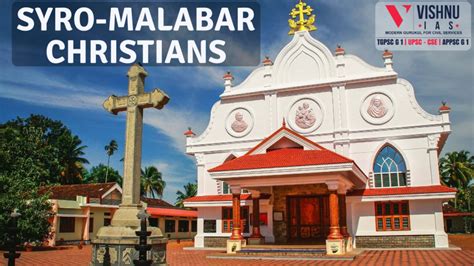
Syro-Malabar Church: History, Faith, and ImpactHello, guys! Have you ever wondered about the rich tapestry of Christianity around the world, especially those ancient traditions that feel both familiar and wonderfully unique? Today, we’re diving deep into the fascinating world of the
Syro-Malabar Church
, an Eastern Catholic Church with roots stretching back almost two millennia on the vibrant shores of India’s Malabar Coast. This isn’t just any church; it’s a living testament to an incredible history, a vibrant spiritual life, and a community that has significantly shaped both religious and social landscapes. Understanding the
Syro-Malabar Church
means appreciating a blend of ancient Syriac liturgical traditions with a distinct Indian cultural identity, making it a truly captivating subject. From its legendary origins with St. Thomas the Apostle to its modern-day global presence, the journey of this unique Christian community is filled with stories of resilience, deep faith, and an unwavering commitment to its spiritual heritage. So, grab a cup of coffee, and let’s explore what makes the
Syro-Malabar Church
so special, its profound impact, and why it continues to thrive as one of the largest Eastern Catholic Churches today. We’re going to unpack its incredible history, peek into its beautiful liturgical practices, and understand its vital role in the world.### The Rich History and Ancient Roots of the Syro-Malabar ChurchLet’s kick things off by tracing the incredible, ancient history of the
Syro-Malabar Church
, a story that truly sets it apart. Imagine, guys, a Christian community that claims its lineage directly from none other than
St. Thomas the Apostle himself
! Legend has it that St. Thomas landed on the Malabar Coast of Kerala, India, in 52 AD, establishing several churches and baptizing many, thus sowing the initial seeds of Christianity in India. These early Christians, often referred to as
St. Thomas Christians
or
Nasranis
, developed a unique identity, blending their new faith with the rich cultural traditions of Kerala. For centuries, this community flourished, maintaining strong ecclesiastical and cultural ties with the Church of the East (also known as the Persian Church or the East Syriac Church), adopting its liturgy and spiritual customs. This connection meant that the
Syro-Malabar Church
evolved with a distinct East Syriac liturgical tradition, using Syriac as its liturgical language, which makes its services incredibly profound and historically resonant even today. Throughout the early medieval period, the community experienced significant growth, with bishops arriving from Persia and local leaders, known as Archdeacons, playing crucial roles in administration. However, the arrival of European colonial powers, particularly the Portuguese in the 16th century, dramatically altered the course of the
Syro-Malabar Church’s
history. The Portuguese, eager to Latinize the Indian Church, imposed their own liturgical and administrative norms, leading to significant tensions and ultimately, a major schism. This period, particularly after the Synod of Diamper in 1599, was a challenging time as the ancient traditions of the
St. Thomas Christians
were suppressed. Many resisted, leading to the Coonan Cross Oath in 1653, where a large section of the community vowed never to submit to the Latin hierarchy. This event marked a crucial turning point, leading to the bifurcation of the
St. Thomas Christians
into various denominations, with some eventually returning to communion with Rome while others formed independent Oriental Orthodox Churches. Those who returned to Rome, while retaining their East Syriac heritage, gradually consolidated into what we now recognize as the
Syro-Malabar Church
, which was formally established as a distinct Metropolitanate in 1887 and later gained full-fledged Major Archiepiscopal status. This long and often tumultuous journey underscores the incredible resilience and deep commitment of the
Syro-Malabar Church
to preserve its unique identity and spiritual legacy amidst centuries of external pressures and internal struggles. It’s truly a testament to how faith can endure and adapt while holding onto its foundational roots. Today, it stands proud as one of the largest and most vibrant Eastern Catholic Churches globally, a direct descendent of the earliest Christian evangelization in India, continuing its mission with unwavering zeal and devotion.### Distinctive Liturgy and Spiritual TraditionsAlright, let’s talk about something truly beautiful and foundational to the
Syro-Malabar Church
: its distinctive liturgy and rich spiritual traditions. This isn’t just about attending a service, guys; it’s about experiencing a living, breathing connection to ancient Christianity that is both deeply reverent and incredibly profound. At the heart of the
Syro-Malabar Church’s
spiritual life is the
Holy Qurbana
, which is their equivalent of the Mass or Divine Liturgy. This ancient rite, derived from the Liturgy of Addai and Mari, is one of the oldest Christian liturgies still in use today and is celebrated primarily in Malayalam, though the original Syriac is still used in certain contexts, retaining its historical and spiritual resonance. The
Qurbana
is an incredibly rich and symbolic experience, characterized by its emphasis on the Holy Spirit, elaborate prayers, hymns, and a powerful sense of the sacred. When you attend a Syro-Malabar Qurbana, you’ll immediately notice the reverent atmosphere, the distinct vestments, and the beautiful music that often incorporates traditional Indian melodies, creating a unique synthesis of East Syriac spirituality and local culture. The structure of the
Qurbana
is divided into a Preparatory Service, the Liturgy of the Word, the Anaphora (Eucharistic Prayer), and the Rite of Communion, each part steeped in theological significance and drawing participants closer to the mystery of Christ. Beyond the Qurbana, the
Syro-Malabar Church
observes a full cycle of sacraments, including Baptism, Chrismation (Confirmation), Holy Eucharist, Penance, Anointing of the Sick, Holy Orders, and Matrimony, all administered according to their specific East Syriac rites. Chrismation, for instance, is typically administered immediately after Baptism, emphasizing a holistic initiation into Christian life. The liturgical calendar is also unique, featuring specific fasts and feasts that reflect their particular theological understanding and historical development. Lent (the Great Fast), Advent (Subara), and specific Marian feasts are observed with great devotion, often involving fasting, prayer, and communal celebrations. Devotional practices within the
Syro-Malabar Church
are equally vibrant and deeply ingrained in the lives of its members. These include special prayers to St. Thomas, Marian devotions, and a strong emphasis on family prayer and community gatherings. The
Syro-Malabar Church
fosters a deep personal spirituality that is nurtured both individually and communally, providing a robust framework for faithful living. The theological uniqueness of the
Syro-Malabar Church
lies in its ability to uphold the Chaldean theological tradition, which emphasizes the humanity and divinity of Christ in a specific way, while remaining in full communion with the Pope as part of the wider Catholic Church. This blend of ancient East Syriac theological distinctives with Catholic unity makes it a fascinating and invaluable part of the global Christian landscape. It’s truly a treasure trove of ancient Christian faith, kept alive and vibrant by generations of devoted believers.### Global Presence and Community ImpactNow, let’s zoom out a bit and talk about the incredible
global presence and community impact
of the
Syro-Malabar Church
. What started on the Malabar Coast of India has, through the centuries, spread its wings far and wide, making it a significant player on the international Christian stage. It’s truly amazing, guys, to see how a community with such deep local roots has become a global phenomenon. A major factor in this global spread is the extensive diaspora of the
Syro-Malabar Church
. Driven by educational pursuits, professional opportunities, and sometimes economic necessities, millions of
Syro-Malabar Christians
have migrated from Kerala to various parts of India and indeed, to every corner of the world. You’ll find vibrant Syro-Malabar communities, parishes, and eparchies (dioceses) in major cities across the United States, Canada, Europe, Australia, the Middle East, and beyond. These communities aren’t just places of worship; they are vital hubs for preserving culture, language, and the unique spiritual heritage of the
Syro-Malabar Church
among generations born outside of India. They often serve as a home away from home, fostering a strong sense of belonging and identity. Beyond its spiritual mission, the
Syro-Malabar Church
has made truly remarkable
social and educational contributions
. Historically, the
St. Thomas Christians
were known for their high literacy rates and commitment to education, a tradition that continues vigorously today. The Church runs numerous schools, colleges, hospitals, orphanages, and social service organizations that cater to people of all faiths, not just its own members. These institutions are renowned for their quality and dedication to serving the wider society, playing a crucial role in socio-economic development, especially in Kerala. They are instrumental in uplifting communities, providing healthcare, and empowering individuals through education, demonstrating the Church’s deep commitment to living out its faith through service. Furthermore, the
Syro-Malabar Church
is actively involved in
ecumenical efforts
, seeking dialogue and collaboration with other Christian denominations, particularly with other St. Thomas Christian communities in India and with Orthodox Churches. This engagement reflects a desire for unity and mutual understanding, recognizing shared heritage and working towards common goals. Culturally, the
Syro-Malabar Church
acts as a vital guardian of
cultural preservation
. Its members are proud of their unique blend of Indian and Syriac traditions, and the Church actively promotes the Malayalam language, traditional art forms, and cultural practices within its communities. This helps ensure that the rich cultural identity of the
St. Thomas Christians
continues to thrive, even as its members integrate into diverse societies worldwide. The influence of the
Syro-Malabar Church
extends beyond its immediate community, enriching the cultural and religious landscape wherever it establishes a presence, showcasing a dynamic and impactful global Christian community.### Challenges and Future OutlookEvery vibrant community faces its share of hurdles, and the
Syro-Malabar Church
is no different. As it continues to grow and spread globally, it encounters specific
challenges
that are crucial for its
future outlook
. Understanding these issues, guys, helps us appreciate the ongoing efforts to maintain its identity and mission. One of the most significant and often debated challenges within the
Syro-Malabar Church
revolves around
liturgical uniformity
. For decades, there have been discussions and disagreements regarding the standardization of the
Holy Qurbana
. Historically, different factions within the Church adopted slightly varied practices after the Latinization period and subsequent re-orientalization efforts. While efforts have been made by the Synod of Bishops to achieve a uniform celebration of the Qurbana, this process has sometimes led to tensions and divisions among the faithful, with strong opinions on both sides regarding the ideal liturgical form and orientation of the celebrant. Ensuring unity while respecting diverse liturgical expressions remains a delicate balancing act for the Church leadership. Another crucial challenge, common to many religious institutions today, is
youth engagement
. In a rapidly globalizing and secularizing world, retaining the younger generation and inspiring them to actively participate in the Church’s spiritual and community life is paramount. Many young
Syro-Malabar Christians
, especially those born and raised in the diaspora, grapple with navigating their traditional faith and cultural heritage alongside modern societal influences. The Church is actively working to address this through youth ministries, catechetical programs, and by making the ancient traditions relevant and accessible to a new generation, fostering a sense of belonging and pride in their unique heritage. Maintaining identity in a globalized world presents its own set of complexities. As
Syro-Malabar Christians
live in diverse cultural contexts, there’s a constant effort to ensure that their distinct East Syriac and Indian identity is preserved and passed on. This involves providing spiritual formation, language instruction, and cultural events that reinforce their unique heritage, preventing assimilation without losing connection to their adopted homelands. Despite these challenges, the
Syro-Malabar Church
also faces immense
opportunities for growth
. Its strong family values, robust educational infrastructure, and dedicated clergy and religious orders provide a solid foundation for expansion and deeper evangelization. The growing diaspora, while presenting challenges, also offers avenues for the Church to reach new populations and establish vibrant communities in new territories. There’s a profound opportunity to share the richness of its ancient spirituality with a broader audience, contributing to the diversity and strength of the global Catholic Church. The proactive approach of the Church in addressing these issues, combined with the deep faith and commitment of its members, points towards a resilient and dynamic future for the
Syro-Malabar Church
, continuing its two-millennia-old journey with unwavering faith and hope.### ConclusionAnd there you have it, guys – a journey through the incredibly rich and ancient world of the
Syro-Malabar Church
! We’ve truly just scratched the surface of a history that spans nearly two millennia, from the legendary arrival of St. Thomas the Apostle on India’s Malabar Coast to the vibrant global presence it enjoys today. We’ve seen how this
Eastern Catholic Church
has managed to beautifully blend its unique
East Syriac liturgical traditions
with a distinct
Indian cultural identity
, creating a spiritual experience that is both profoundly ancient and deeply relevant. From the sacred rituals of the
Holy Qurbana
to its impressive contributions in education and social welfare, the
Syro-Malabar Church
stands as a powerful testament to enduring faith, community resilience, and cultural preservation. It’s a reminder that Christianity is incredibly diverse, with countless expressions of faith, each with its own incredible story and invaluable contributions to the global Church. So, whether you’re a history buff, a spiritual seeker, or just curious about different cultures, I hope this deep dive into the
Syro-Malabar Church
has offered you a fresh perspective and perhaps even inspired you to learn more. Its story is one of unwavering devotion, incredible adaptability, and a powerful sense of identity that continues to thrive against all odds. Keep exploring, keep questioning, and keep appreciating the diverse tapestry of our world! Thank you for joining me on this enlightening exploration.“`
