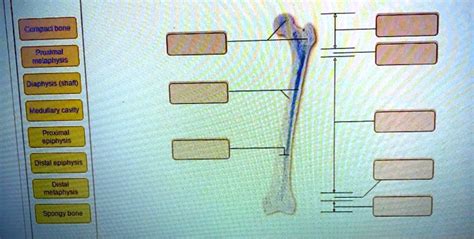
Epiphysis & Metaphysis: Unlocking Bone Growth Secrets\n\n## What Are the Epiphysis and Metaphysis, Anyway?\n\nHey there, bone enthusiasts! Ever wondered how our bones grow, especially when we were little munchkins shooting up like weeds? Well, buckle up, because today we’re diving deep into the fascinating world of
epiphysis
and
metaphysis
– two super important parts of our long bones that are absolutely crucial for growth.
Trust me
, understanding these terms isn’t just for anatomy nerds; it gives you a fantastic insight into how our bodies are built and how they heal. These two regions are like the unsung heroes of our skeletal system, silently working behind the scenes to make sure we reach our full height and maintain strong bones throughout our lives. Imagine your long bones, like the ones in your arms and legs, as sophisticated biological structures. At each end of these long bones, you’ll find the
epiphysis
, which is essentially the rounded end of the bone, covered in articular cartilage to form joints with other bones. Think of it as the “cap” of the bone. But the real magic, the real growth engine, lies a little further down, just before the main shaft of the bone. This transitional zone, where the bone actually
grows in length
, is called the
metaphysis
. It’s like the bustling construction site where all the raw materials are organized and new bone tissue is laid down. The interplay between these two regions is nothing short of incredible, orchestrating the complex process of endochondral ossification, which is the primary way our long bones grow. We’re talking about a process that starts even before birth and continues vigorously through childhood and adolescence, often slowing down or ceasing entirely in early adulthood. So, when you hear about growth plates, remember that you’re essentially talking about a key feature nestled within or very close to these regions. For anyone curious about human biology, or perhaps a parent watching their child grow, grasping these fundamental concepts of bone architecture is incredibly rewarding and offers a clearer picture of development. These aren’t just obscure scientific terms, guys; they represent the dynamic, living processes that define our physical structure. We’ll explore how they work individually and, more importantly, how their incredible partnership ensures healthy skeletal development, strong joints, and the robust framework that supports our entire body. Get ready to have your mind blown by the sheer complexity and elegance of your own anatomy!\n\n## Diving Deep into the Epiphysis: The Growth Powerhouse\n\nLet’s zoom in on the
epiphysis
, often called the “head” or “end” of a long bone. This rounded, articulate end is primarily responsible for forming joints with adjacent bones, which allows for smooth, pain-free movement. Think of your knee joint or your elbow – the ends of those bones are the epiphyses. These areas are covered with
articular cartilage
, a smooth, slippery tissue that reduces friction and acts as a shock absorber during movement. Without this cartilage, our bones would grind against each other, causing immense pain and damage –
no fun at all
, right? But beyond its role in joint articulation, the epiphysis holds another, even more crucial secret, especially during our formative years: it houses the
epiphyseal plate
, also famously known as the
growth plate
. This incredible structure is a thin layer of hyaline cartilage located between the epiphysis and the metaphysis. It’s literally where the magic of longitudinal bone growth happens! During childhood and adolescence, chondrocytes (cartilage cells) within this plate multiply rapidly and then enlarge. As they mature, they undergo a process called hypertrophy, creating space. Subsequently, this cartilage is calcified and then replaced by bone tissue through a process known as
endochondral ossification
. This continuous cycle of cartilage production and subsequent replacement by bone pushes the epiphysis further away from the diaphysis (the main shaft of the bone), effectively
lengthening the bone
. This process is meticulously regulated by a complex orchestra of hormones, including growth hormone, thyroid hormones, and sex hormones, which dictate the pace and duration of growth. When we reach adulthood, typically in our late teens or early twenties, these growth plates
fuse
, meaning the cartilage is entirely replaced by bone, leaving behind an
epiphyseal line
(a subtle bony scar). Once fused, longitudinal bone growth stops. This fusion signifies the end of our vertical growth spurt, and from then on, our bones primarily undergo remodeling to maintain strength and adapt to stress, rather than increasing in length.
It’s truly a marvel of biological engineering
, allowing us to grow from tiny infants into fully-formed adults, all thanks to this powerhouse located at the ends of our bones. Without a healthy epiphysis and its growth plate, achieving our full genetic height potential would be impossible, highlighting its profound importance in skeletal development.\n\n## Exploring the Metaphysis: The Bridge to Strong Bones\n\nNow, let’s shift our focus to the
metaphysis
, a truly dynamic and incredibly important region of long bones. If the epiphysis is the cap and the growth engine, the metaphysis is the bustling, highly vascularized zone that acts as the
transition point
between the epiphysis and the diaphysis (the long, central shaft of the bone). It’s located just below the epiphyseal plate (or line, in adults). Think of it as the strategic bridge connecting the growing end to the main body of the bone, but it’s far more than just a simple connection. The metaphysis is a zone of intense metabolic activity and rapid bone remodeling. Here, the newly formed bone from the epiphyseal plate is constantly reshaped and strengthened. It’s where the spongy, trabecular bone structure is most prominent, providing significant structural integrity while allowing for some flexibility. This region is particularly rich in blood supply, which is essential for the continuous processes of bone formation and resorption. This high vascularity, while crucial for growth and maintenance, also makes the metaphysis susceptible to certain conditions, such as infections (like osteomyelitis) and, unfortunately, fractures. In children, metaphyseal fractures are common, often due to the relatively weaker structure of newly formed bone and the stresses placed on growing limbs.
These guys really take a beating!
But don’t let that fool you; the metaphysis is also incredibly resilient, boasting a remarkable capacity for healing. It’s also a common site for certain bone tumors in both children and adults due to its high cellular activity. The spongy bone within the metaphysis is highly adaptable, continuously adjusting its density and architecture in response to mechanical stresses. This adaptability is key to maintaining bone strength and preventing injuries. As we grow, the metaphysis actively contributes to the modeling and remodeling of the bone, ensuring that the bone shaft maintains an appropriate width and strength to support our body weight and movements. So, while the epiphysis gets a lot of credit for the actual lengthening, it’s the metaphysis that takes that newly laid down bone and refines it, turning it into the robust, load-bearing structure we rely on every single day. Without this crucial transitional zone, our bones would lack the strength and adaptability needed to withstand the rigors of daily life, making the metaphysis an
absolutely vital player
in skeletal health and integrity.\n\n## The Dynamic Duo: How Epiphysis and Metaphysis Work Together\n\nAlright, guys, let’s put it all together and see how these two anatomical superstars – the
epiphysis
and the
metaphysis
– team up to create the marvel that is bone growth.
It’s a truly synchronized dance
, a beautifully orchestrated biological process that ensures our long bones develop correctly and reach their optimal length and strength. The journey starts in the
epiphysis
, specifically within its resident
epiphyseal plate
, or growth plate. Here, cartilage cells proliferate rapidly, forming new cartilage on the epiphyseal side of the plate. This is like the raw material factory, constantly churning out new building blocks. As these cartilage cells mature and enlarge, they move towards the metaphyseal side.
This is where the handover happens!
In the metaphysis, specialized cells called osteoblasts arrive, depositing bone matrix onto the calcified cartilage framework. Simultaneously, osteoclasts, the bone-resorbing cells, are busy remodeling the newly formed bone, shaping it and creating the medullary cavity (the hollow center of the bone shaft). So, while the epiphysis, through its growth plate, is responsible for
producing
the cartilage template for new bone, the metaphysis is the primary site where this cartilage is
converted into actual bone
and then refined. This continuous process of cartilage proliferation, calcification, and replacement by bone tissue effectively pushes the epiphysis further away from the diaphysis, leading to the
longitudinal growth
of the bone. Imagine a conveyor belt: the epiphysis loads the new material (cartilage) onto the belt, and the metaphysis actively processes and finishes it (converts to bone, remodels). This intricate partnership is under constant hormonal regulation. Growth hormone, for instance, stimulates the proliferation of cartilage cells in the epiphyseal plate, effectively speeding up the growth process. Thyroid hormones also play a critical role in regulating the rate of growth and maturation of the growth plate. Sex hormones, such as estrogen and testosterone, are vital during puberty, causing the final growth spurt and ultimately leading to the
fusion of the epiphyseal plates
, marking the end of longitudinal growth. Understanding this dynamic interplay is key to comprehending not just how we grow taller, but also how disruptions in this delicate balance can lead to growth disorders.
It’s a testament to the incredible complexity and efficiency of our bodies
, working in perfect harmony to build and maintain our skeletal framework.\n\n## Why Understanding These Bone Zones Matters (Beyond Textbooks!)\n\nAlright, so we’ve delved deep into the nitty-gritty of the
epiphysis
and
metaphysis
, but you might be thinking, “Why should I care about this stuff, other than acing a biology test?” Well, listen up, because understanding these critical bone zones has
super important real-world implications
that extend far beyond any textbook! First off, for parents, knowing about the
growth plate
(part of the epiphysis) is crucial. Children are susceptible to
epiphyseal plate fractures
, especially during sports or active play. Because the growth plate is made of cartilage, it’s often weaker than the surrounding bone. A fracture here isn’t just a broken bone; it can potentially
disrupt future growth
and lead to limb length discrepancies or deformities if not properly treated. Prompt medical attention and careful management are absolutely key to ensuring healthy bone development. Likewise, the
metaphysis
, being a site of rapid bone turnover and growth, is also a common site for certain injuries and medical conditions. As we discussed, metaphyseal fractures are common in children, and the rich blood supply to this area makes it a potential target for infections like osteomyelitis, which can spread quickly and require aggressive treatment. Furthermore, rare but serious conditions like bone tumors often originate in the metaphysis due to its high cellular activity.
Understanding the unique characteristics of these regions
helps doctors diagnose and treat these conditions much more effectively, leading to better outcomes for patients, especially young ones. Beyond injuries and diseases, these zones are also central to understanding growth disorders. Conditions like gigantism or dwarfism can often be traced back to problems with the growth plate, either overactivity or underactivity. Research into the epiphysis and metaphysis is also vital for developing new treatments for bone regeneration and repair, particularly for severe fractures or bone loss. So, whether you’re an aspiring medical professional, a curious parent, or just someone who appreciates the amazing complexity of the human body, recognizing the functions and vulnerabilities of the
epiphysis
and
metaphysis
empowers you with knowledge. It allows you to appreciate the incredible journey of bone development and understand why protecting these vital areas, especially during childhood and adolescence, is so incredibly important for lifelong skeletal health.
This isn’t just academic; it’s about real lives and real health!
\n\n## Wrapping It Up: Your Bone Growth Journey\n\nPhew! We’ve covered a lot of ground today, guys, exploring the incredible world of the
epiphysis
and
metaphysis
. Hopefully, you now have a much clearer picture of how these two remarkable regions of our long bones work tirelessly, especially during our formative years, to ensure we grow taller and stronger. We’ve seen that the
epiphysis
, with its crucial
growth plate
, acts as the primary engine for longitudinal bone growth, constantly churning out new cartilage that eventually transforms into bone. Right next door, the
metaphysis
serves as the vital bridge and processing plant, taking that newly formed cartilage and converting it into robust, load-bearing bone tissue, while also being a hub of intense remodeling and strength. Their partnership is absolutely essential, a perfectly synchronized biological ballet that allows us to go from tiny babies to the full-grown adults we become.
It’s truly mind-blowing stuff when you think about it!
Beyond just making us taller, these zones play a huge role in our overall skeletal health, affecting joint function, bone strength, and susceptibility to various injuries and diseases. Understanding their unique roles and how they interact isn’t just for medical students; it gives all of us a deeper appreciation for the intricate design of our bodies and highlights the importance of protecting our bones throughout life. So, the next time you think about bone growth, remember the
epiphysis
and the
metaphysis
– the unsung heroes of your skeleton’s incredible journey! Stay curious, stay healthy, and keep appreciating the wonders within you!
